
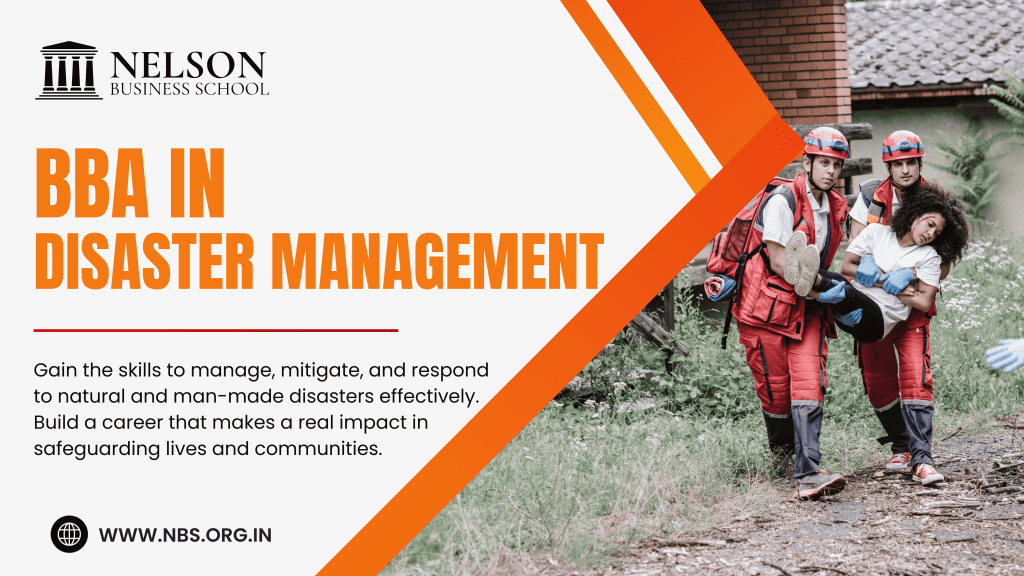
BBA in Disaster Management
In the modern world, disasters—both natural and human-induced—are becoming more frequent and complex. Events such as floods, earthquakes, cyclones, pandemics, industrial accidents, and climate-related emergencies can cause significant damage to communities, infrastructure, and economies. Managing these crises effectively requires trained professionals who can plan, coordinate, and implement disaster preparedness and response strategies.
A BBA in Disaster Management is a specialized undergraduate program designed to develop management professionals capable of handling disaster risks, emergency operations, and recovery planning. The program combines the principles of business administration with disaster preparedness, crisis management, and risk mitigation strategies. It prepares students to play a vital role in protecting communities, managing resources, and ensuring effective disaster response.
Understanding Disaster Management
Disaster Management refers to the systematic process of planning, organizing, directing, and controlling resources to deal with disasters and emergency situations. It focuses on minimizing the impact of disasters on human life, property, infrastructure, and the environment.
Disasters can be broadly classified into two categories:
Natural Disasters
Earthquakes
Floods
Cyclones and hurricanes
Landslides
Droughts
Tsunamis
Human-Made Disasters
Industrial accidents
Chemical spills
Nuclear hazards
Terrorism and conflicts
Fire outbreaks
Transportation accidents
Disaster management aims to reduce vulnerability, improve preparedness, and ensure effective response and recovery during emergencies.
Importance of Disaster Management in Modern Society
As populations grow and urbanization increases, communities are becoming more vulnerable to disasters. Climate change and environmental degradation are also contributing to the rising frequency and intensity of disasters worldwide.
Effective disaster management plays a critical role in protecting lives and reducing economic losses. It ensures that governments, organizations, and communities are prepared to respond quickly and efficiently when emergencies occur.
Key benefits of effective disaster management include:
Protection of human life and public safety
Reduction of damage to infrastructure and property
Improved coordination among emergency services
Faster rescue and relief operations
Efficient use of resources during emergencies
Quick recovery and rehabilitation of affected communities
Strengthening community resilience against future disasters
Professionals trained in disaster management help ensure that societies are better prepared to face crises and recover from them.
Objectives of the BBA in Disaster Management
The BBA in Disaster Management program is designed to achieve several important objectives:
To provide a comprehensive understanding of disaster risks and vulnerabilities
To train students in disaster preparedness, planning, and mitigation strategies
To develop leadership and decision-making skills required during emergencies
To introduce modern tools and technologies used in disaster management
To build expertise in coordinating rescue, relief, and rehabilitation operations
To develop communication and teamwork skills necessary for crisis management
To prepare professionals capable of managing disasters effectively at local, national, and global levels
The program emphasizes both theoretical learning and practical training to ensure students are ready to handle real-life disaster situations.
Disaster Risk Reduction and Preparedness
One of the key aspects of disaster management is risk reduction and preparedness. Instead of only responding after disasters occur, modern disaster management focuses on preventing disasters and reducing their impact.
Risk reduction strategies include:
Identifying potential disaster risks in vulnerable regions
Implementing early warning systems
Developing evacuation plans and safety protocols
Strengthening infrastructure to withstand disasters
Conducting public awareness and safety education programs
Implementing environmental conservation and sustainable development practices
Prepared communities and organizations are better equipped to handle emergencies and minimize losses.
Practical Training and Field Experience
A BBA in Disaster Management places strong emphasis on practical learning and real-world exposure. Students are trained through simulations, case studies, and fieldwork to understand how disaster management systems operate.
Practical training may include:
Disaster simulation exercises
Emergency evacuation drills
Training in first aid and basic life support
Crisis communication and coordination exercises
Field visits to disaster management authorities and emergency service agencies
Case studies on major disasters around the world
Participation in community disaster awareness programs
These practical experiences help students develop the confidence and competence needed to handle emergency situations effectively.
Skills Developed Through the Program
Students pursuing this program develop a wide range of technical, managerial, and interpersonal skills that are essential in disaster management.
Key skills include:
Disaster risk assessment and analysis
Emergency planning and crisis management
Leadership and decision-making under pressure
Communication and coordination during emergencies
Resource allocation and logistics management
Community engagement and awareness building
Problem-solving and analytical thinking
Project planning and management
These skills enable graduates to manage disaster situations efficiently while ensuring safety and effective coordination.
Career Opportunities in Disaster Management
The growing importance of disaster preparedness has created a strong demand for trained disaster management professionals. Graduates of this program can pursue careers in various sectors.
Common job roles include:
Disaster Management Officer
Emergency Response Coordinator
Risk Management Consultant
Disaster Relief Operations Manager
Crisis Management Specialist
Environmental Risk Analyst
Safety and Emergency Planning Officer
Program Manager in humanitarian organizations
These professionals work in planning, coordinating, and implementing disaster preparedness and response programs.
Industries and Organizations Hiring Disaster Management Professionals
Graduates with expertise in disaster management can find opportunities in a wide range of organizations and industries.
Some key sectors include:
Government disaster management authorities
International humanitarian organizations
Non-governmental organizations (NGOs)
Environmental and safety consulting firms
Healthcare and emergency services
Infrastructure and construction companies
Public safety and civil defense departments
Corporate risk management and safety divisions
With increasing focus on disaster preparedness and risk management, these organizations require skilled professionals to develop effective safety and response strategies.
Future Scope of Disaster Management
The future scope of disaster management is expanding rapidly due to global challenges such as climate change, environmental degradation, and urbanization. Governments and organizations are investing more resources in disaster preparedness and risk reduction programs.
Technological advancements are also transforming disaster management. Tools such as satellite monitoring, geographic information systems (GIS), artificial intelligence, and predictive analytics are helping experts analyze disaster risks and respond more effectively.
As societies continue to face new challenges, professionals trained in disaster management will play a critical role in ensuring safety, resilience, and sustainable development.
Who Should Enroll in This Program?
A BBA in Disaster Management is ideal for individuals who are passionate about public safety, humanitarian work, and crisis response.
This program is suitable for:
Students interested in emergency management and public safety
Individuals who want to work in humanitarian or relief organizations
Graduates interested in environmental protection and risk management
Professionals seeking careers in crisis management and safety planning
Individuals who want to contribute to community development and disaster resilience
Students who are proactive, responsible, and capable of working under pressure will find this field both challenging and rewarding.
Conclusion
A BBA in Disaster Management provides comprehensive knowledge and practical skills required to manage disasters and emergency situations effectively. The program prepares students to understand disaster risks, develop preparedness strategies, coordinate emergency response operations, and support community recovery efforts.
As disasters continue to pose challenges across the world, the need for skilled disaster management professionals is greater than ever. This program not only offers promising career opportunities but also enables individuals to make a meaningful contribution to society by protecting lives and building resilient communities.